
Quick Answer: At the end of 2025, Japan recorded 4,125,395 foreign residents—the first time the total exceeded four million. That is a year-on-year increase of about 356,000 people (9.5%). China, Vietnam, and South Korea top the nationality list, while Tokyo hosts the largest share at roughly 801,000 residents. Foreign residents are now a visible part of daily life in many cities, and multilingual public services are gradually expanding. This article explains the statistics—not tourist arrival numbers—and what they can mean for everyday life.
How many foreign residents does Japan have now?
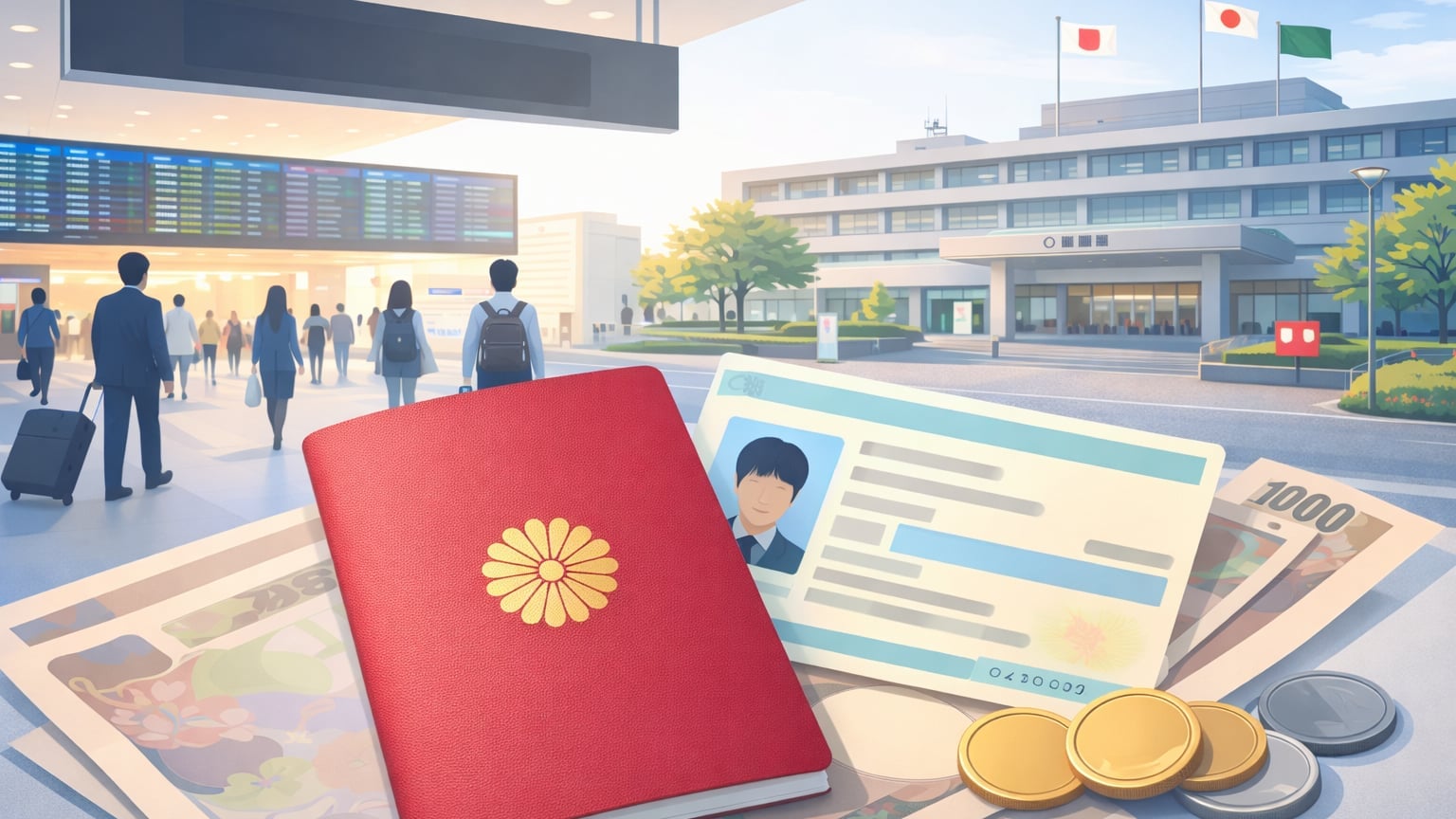
According to the Immigration Services Agency (ISA), 4,125,395 foreign residents were recorded in Japan at the end of 2025 (Reiwa 7). This is the highest figure since records began and the first time the total has passed four million.
- End of 2025
- 4,125,395
- Year-on-year change
- +356,418 (+9.5%)
- End of 2025
- 3,858,499
- Year-on-year change
- —
- End of 2025
- 266,896
- Year-on-year change
- —
- End of 2025
- 3,768,977
- Year-on-year change
- —
| Category | End of 2025 | Year-on-year change |
|---|---|---|
| Total foreign residents | 4,125,395 | +356,418 (+9.5%) |
| Medium- to long-term residents | 3,858,499 | — |
| Special permanent residents | 266,896 | — |
| Previous year (end of 2024) | 3,768,977 | — |
By gender, males accounted for 2,110,599 (51.2%) and females for 2,014,735 (48.8%), with 61 recorded as "other" based on passport notation.
📌 What this counts: "Foreign residents" here means people registered under Japan's residence system—medium- to long-term residents plus special permanent residents. It does not include short-term tourists, visa-free visitors, or people without a registered residence status.
Which countries do most foreign residents come from?
At the end of 2025, the statistics included 196 nationalities and regions as recorded on residence cards and Special Permanent Resident certificates (excluding stateless persons). The top ten nationalities are shown below.
| Rank | Country/Region | Residents | Change from previous year |
|---|---|---|---|
| 1 | China | 930,428 | +57,142 |
| 2 | Vietnam | 681,100 | +46,739 |
| 3 | South Korea | 407,341 | −1,897 |
| 4 | Philippines | 356,579 | +15,061 |
| 5 | Nepal | 300,992 | +67,949 |
| 6 | Indonesia | 266,069 | +66,245 |
| 7 | Brazil | 210,014 | −1,893 |
| 8 | Myanmar | 182,567 | +47,993 |
| 9 | Sri Lanka | 79,128 | +15,656 |
| 10 | Taiwan | 73,256 | +3,109 |
Most top-ten nationalities increased year-on-year. South Korea and Brazil were exceptions, with slight decreases. Sri Lanka rose from 12th place to 9th.
These figures reflect registered residents, not tourist visits. A surge in visitors to Japan does not automatically appear in this dataset.
Which residence statuses are growing?
By status of residence, Permanent Resident was the largest category, followed by Engineer/Specialist in Humanities/International Services, Student, Technical Intern Training, and Specified Skilled Worker.
- Status of residence
- Permanent Resident
- Residents
- 947,125
- Change
- +29,009
- Status of residence
- Engineer/Specialist in Humanities/International Services
- Residents
- 475,790
- Change
- +57,084
- Status of residence
- Student
- Residents
- 464,784
- Change
- +62,650
- Status of residence
- Technical Intern Training
- Residents
- 456,618
- Change
- +23
- Status of residence
- Specified Skilled Worker
- Residents
- 390,296
- Change
- +105,830
| Rank | Status of residence | Residents | Change |
|---|---|---|---|
| 1 | Permanent Resident | 947,125 | +29,009 |
| 2 | Engineer/Specialist in Humanities/International Services | 475,790 | +57,084 |
| 3 | Student | 464,784 | +62,650 |
| 4 | Technical Intern Training | 456,618 | +23 |
| 5 | Specified Skilled Worker | 390,296 | +105,830 |
Notable patterns include the following.
- Specified Skilled Worker grew by more than 100,000—the largest increase among major categories
- Student and Engineer/Specialist in Humanities/International Services also rose substantially
- Technical Intern Training was nearly flat (+23), reflecting ongoing policy transitions in this program
For a broader overview of visa categories, see our
status of residence map
.
Where do foreign residents live in Japan?
Foreign residents are concentrated in major urban prefectures.
- Prefecture
- Tokyo
- Residents
- 801,438
- Change
- +62,492
- Prefecture
- Osaka
- Residents
- 375,319
- Change
- +41,755
- Prefecture
- Aichi
- Residents
- 357,800
- Change
- +26,067
- Prefecture
- Kanagawa
- Residents
- 317,353
- Change
- +24,903
- Prefecture
- Saitama
- Residents
- 290,937
- Change
- +28,555
| Rank | Prefecture | Residents | Change |
|---|---|---|---|
| 1 | Tokyo | 801,438 | +62,492 |
| 2 | Osaka | 375,319 | +41,755 |
| 3 | Aichi | 357,800 | +26,067 |
| 4 | Kanagawa | 317,353 | +24,903 |
| 5 | Saitama | 290,937 | +28,555 |
Tokyo alone accounts for about 19.4% of all foreign residents nationwide. The top five prefectures together account for just over half of the total (about 51.9%)—rural areas generally have smaller but growing foreign communities.
How might daily life be changing?
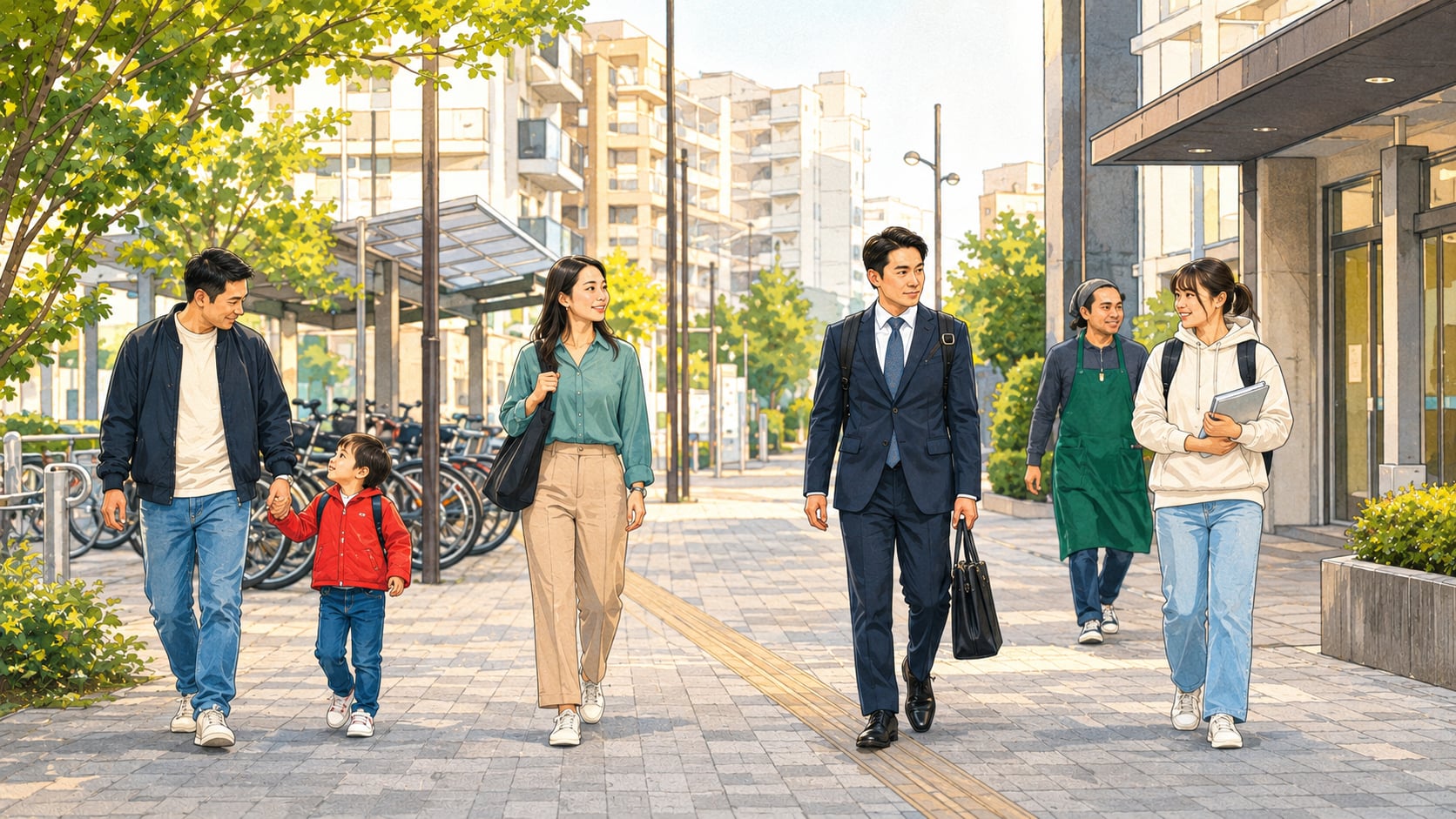
Rising resident numbers do not automatically mean every neighborhood feels different overnight. Still, several areas show gradual shifts tied to official policies and on-the-ground demand.
Government and administrative services
Municipal offices in major cities increasingly offer multilingual guidance for residence registration, tax, and childcare procedures. The ISA also operates support programs such as HarmoniUP!, the Foreign Residents Support Center (FRESC) in Tokyo (Yotsuya, Shinjuku), and local multilingual consultation desks. If you are newly arrived, completing
city hall registration
is still the essential first step.
Schools and language support
Rising student numbers contribute to demand for Japanese-language support in schools. Local boards of education—not a single national classroom policy—determine how schools handle multilingual learners, so experiences vary by municipality.
Workplaces
Specified Skilled Worker and engineer-status growth reflects continued labor demand in sectors such as nursing care, construction, food service, and IT. Workplace communication norms remain a common adjustment; our
workplace etiquette guide
covers everyday expectations.
Housing
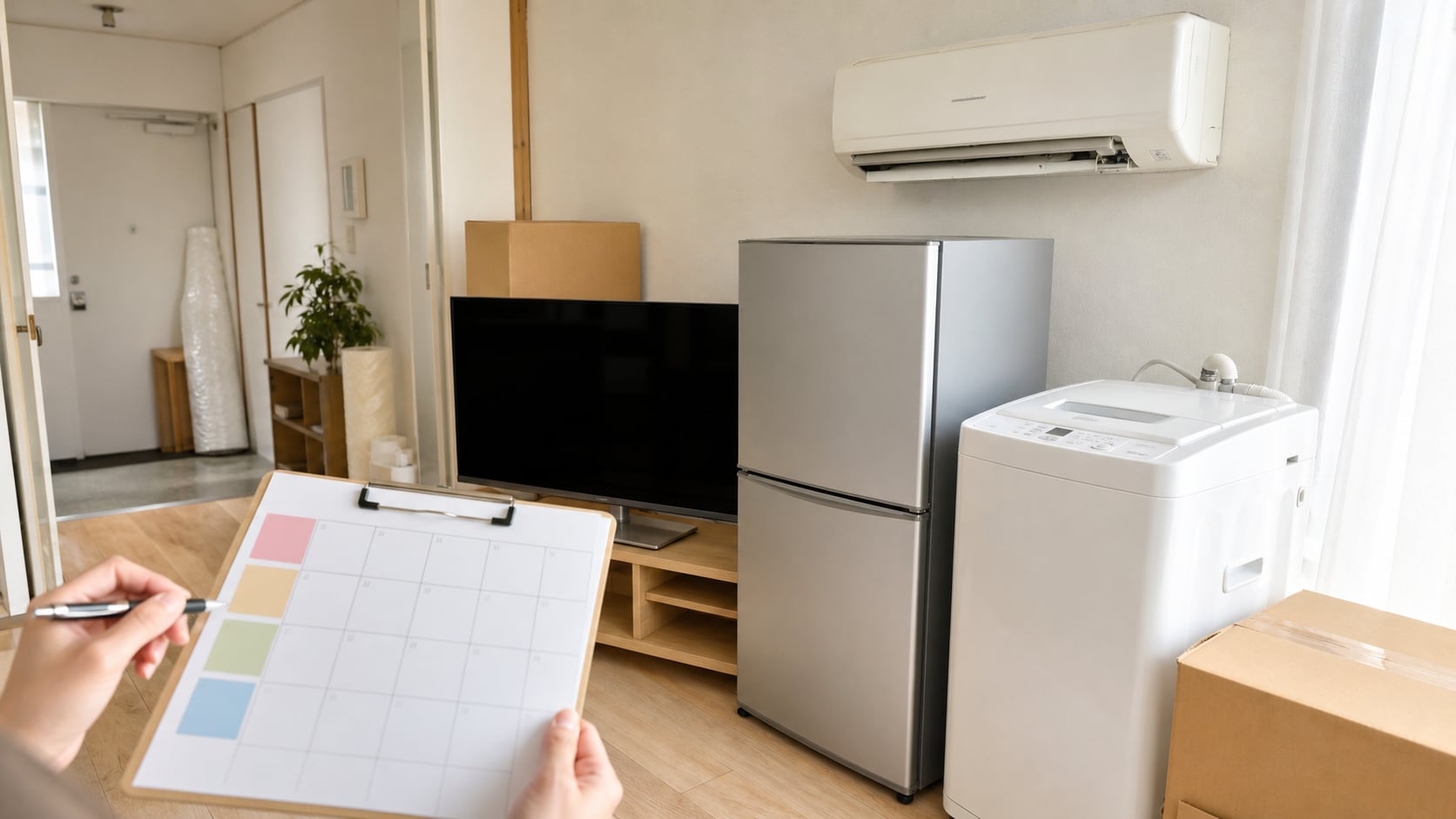
More residents means more demand for rental housing, but availability still depends heavily on area, guarantor requirements, and language support from agents. See our
apartment hunting guide for foreigners
for practical starting points.
Healthcare
Hospitals in urban areas increasingly encounter non-Japanese speakers. Enrollment in Japan's public health insurance system—such as employees' health insurance or National Health Insurance—is generally required for medium- to long-term residents. For navigating clinics and hospitals, see
navigating hospitals in Japan
.
Community visibility
In cities like Tokyo, Osaka, and Aichi, multilingual signage, international supermarkets, and community events are more common than a decade ago. This visibility reflects resident numbers—but it does not mean every town has the same level of support.
📌 A note on crime statistics: Media discussions about foreign residents sometimes reference crime data. Resident population growth and police statistics measure different things. For context on how to read those numbers, see our
guide to foreign crime statistics
.
FAQ
Does this figure include tourists? No. The 4.12-million figure counts registered foreign residents at year-end. Short-term visitors (Temporary Visitor status) are not included. Foreign-entry statistics are reported separately by the ISA and recorded 42,430,930 entries in 2025, including re-entries—that figure measures border entries, not the resident population.
What is the difference between a medium- to long-term resident and a special permanent resident? Medium- to long-term residents hold a status of residence with a period of stay longer than three months (excluding diplomatic, official, and certain short-stay categories). Special permanent residents are a distinct legal category with long-term settlement rights, primarily tied to historical immigration from specific regions.
Are all foreign residents allowed to work? No. Work permission depends on your status of residence. Students, dependents, and certain other statuses have restrictions unless they obtain additional permission. Permanent residents and many work-status holders face fewer activity limits.
Does a higher resident count mean services will improve everywhere? Not automatically. Multilingual services and foreign-resident support tend to expand first in prefectures with larger populations. Rural areas may have fewer dedicated resources even as resident numbers grow.
Will the number keep rising? This article reports the end-of-2025 snapshot only. Future trends depend on immigration policy, economic conditions, and global events. We do not offer independent forecasts here.
Sources
- Immigration Services Agency — Foreign resident population at end of 2025 (press release) (confirmed June 21, 2026)
- Immigration Services Agency — Foreign entries and Japanese departures in 2025 (press release) (confirmed June 21, 2026)
- Immigration Services Agency — HarmoniUP! (confirmed June 21, 2026)
- Immigration Services Agency — Foreign Residents Support Center (FRESC) (confirmed June 21, 2026)
- Immigration Services Agency — Consultation desks for foreign residents (confirmed June 21, 2026)
- Immigration Services Agency — Statistics portal (registered foreign residents) (confirmed June 21, 2026)